
Finding an old coin in a pocket or a shoebox can feel like stumbling on buried treasure. Before you imagine chandeliers and champagne, though, it helps to be practical. Coins carry two kinds of value: the metal they’re made from and the story they tell. That story—age, rarity, condition, and provenance—determines what collectors will pay. This guide walks you through clear, usable steps to figure out what your coin identification might be worth, how to verify it, and the smartest ways to sell or protect that value.
Why bother checking the value of old coins?
Because a few minutes of careful checking can turn a curiosity into real money. Many people treat old coins as sentimental clutter and toss or spend them at face value. Often, a coin’s numismatic value far exceeds its face value or scrap-metal worth. Conversely, a coin that looks old may be common or counterfeit, and treating it as valuable can be a costly mistake. Checking value helps you separate the keepsakes from the assets.
There’s another reason: knowledge. When you can identify a coin accurately, you’re participating in a living history. Dates, mintmarks, and tiny design differences map to mints, wars, economics, and minting errors. That context directly affects price. Knowing what you have gives you the confidence to choose the right path—hold, sell, or get it graded.
Step-by-step: How to check a coin’s value
Work methodically. Rushing into a sale or cleaning the coin can destroy value. Here’s a simple workflow you can apply to any coin, domestic or foreign.
- Identify the coin (country, denomination, date, mintmark).
- Assess condition using a consistent grading approach (Sheldon scale is standard for U.S. coins).
- Note material and measure weight and diameter; these physical facts help catch counterfeits.
- Consult price guides and recent auction results.
- Decide whether to get a professional authentication/grading (slabbed) or sell raw.
- Choose your selling route and prepare the coin with careful photography and documentation.
Identify the coin—start with the basics
Look for the obvious first: country of origin, denomination, date, and mintmark. Mintmarks are tiny letters on the coin that tell you where it was struck (for U.S. coins, D = Denver, S = San Francisco, etc.). The date and mintmark together make a huge difference in rarity and value. Also note anything unusual—letters, extra designs, misprints, or doubled images. Those anomalies are often the most valuable features.
Use reference sites and books to confirm identity. A clear, well-lit photo compared with images in a trusted guide will usually get you to a confident identification. If the coin has foreign script, look for numerals and recognizable symbols—flags, coats of arms, or monarch portraits can quickly narrow the search.
Assess condition—grading matters more than you think
Condition drives price. Two identical coins with the same date can have hugely different values depending on wear, scratches, and luster. Professional grading uses the Sheldon scale (1–70). While you don’t need to be an expert grader, learning the basic categories—Poor, Good, Fine, Very Fine, Extremely Fine, About Uncirculated, and Mint State—lets you place your coin in a rough band of value.
| Grade Range | Short Description | What to Look For |
|---|---|---|
| Poor–Good (1–10) | Heavily worn; details mostly smoothed. | Outline visible, no fine detail; heavy wear on portraits. |
| Fine–Very Fine (11–30) | Moderate wear; major design elements visible. | Some detail remains in hair, wreaths, or eagle feathers. |
| Extremely Fine–About Uncirculated (31–63) | Light wear, most details clear. | Minor friction on high points; good peripheral detail and some luster. |
| Mint State (64–70) | No wear; original mint luster present. | Sharp details, possible bag marks; high-grade examples are scarce. |
If you plan to sell, especially at auction, consider professional grading services like PCGS or NGC. Slabbed coins (encapsulated and graded) often fetch higher prices because buyers trust the third-party assessment. However, grading costs money and isn’t worthwhile for low-value coins.
Determine composition and use measurements
Knowing what metal a coin contains helps you understand minimum intrinsic value and spot fakes. A simple scale and calipers will tell you weight and diameter; compare those numbers to reference specifications. Many counterfeits are off in weight or size.
Some practical checks you can do at home: a small kitchen precision scale (0.01 g accuracy) and digital calipers are inexpensive and useful. A strong magnet can reveal base-metal counterfeits—gold and silver are not magnetic. For more advanced testing, specific-gravity methods or a jeweler’s acid test can determine metal content, but those are best handled by professionals to avoid damaging the piece.
Look up prices in reliable sources
Price guides and catalogs give ranges rather than exact values. Use them to set expectations. For U.S. coins, the Red Book (A Guide Book of United States Coins) is a standard; for global coins, Krause’s Standard Catalogs and Numista are helpful. Online services—PCGS CoinFacts, NGC Coin Explorer, Heritage Auctions’ archives, and recent eBay completed listings—show current market behavior.
| Resource | Use | Notes |
|---|---|---|
| PCGS / NGC | Authentication, market guides, population reports | Best for U.S. and major world coins; population reports show scarcity. |
| Red Book / Krause Catalog | Reference pricing and mintage figures | Great for quick reference; prices are retail guidance. |
| Heritage Auctions / Stack’s Bowers | Auction results and price realizations | Actual sale prices; useful for high-end and rare coins. |
| eBay completed listings | Market reality for raw coins and common items | Filter for condition and graded vs. raw; beware of underbidding/sales tax issues. |
| Numista / CoinArchives | World coin guides and images | Good for foreign coins and varieties. |
Compare multiple sources. Price guides show what a typical collector might pay under normal conditions. Auction archives however show what someone actually paid, which can be above or below guide prices depending on demand and presentation.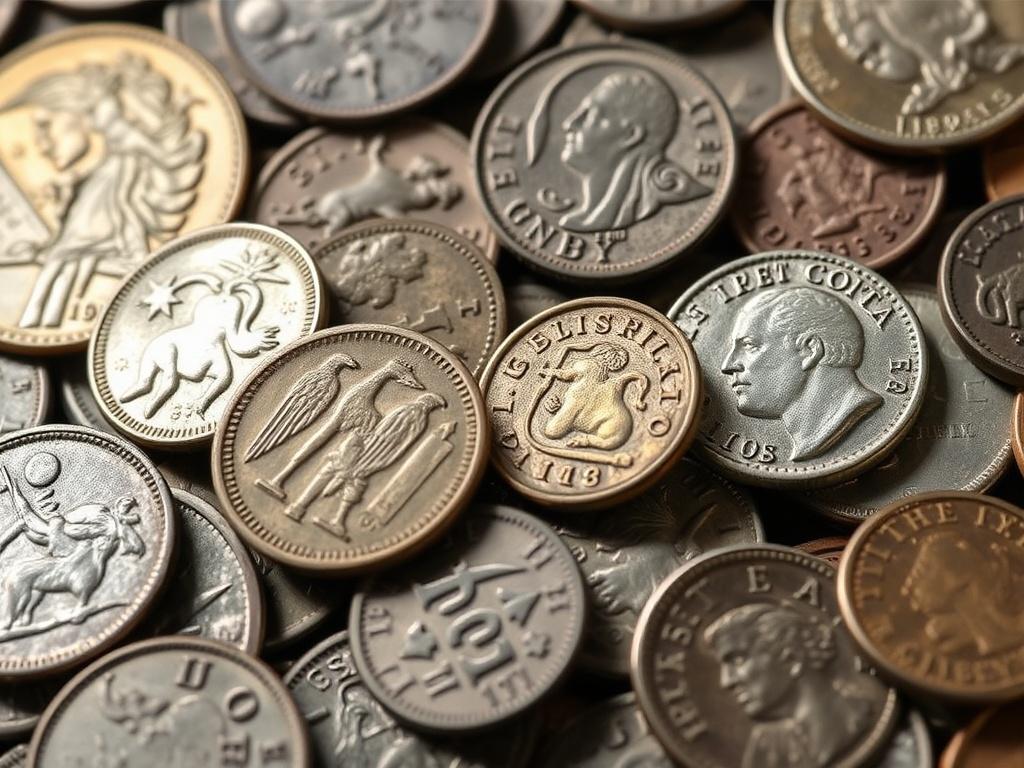
Compare recent sales and watch market trends
Coins trade in a market, and that market swings. Precious metal prices affect bullion coins, while collector interest shifts demand for specific series. Look at recent auction results for coins of the same date and grade. Pay attention to “realized” prices rather than asking prices. A coin sold in 2010 may have different market value in 2026; adjust your expectations accordingly.
Seasonality matters a little—major auctions at the end of a big show can push prices up—but the big drivers are rarity and condition. A “key date” in poor condition may still be worth more than a common date in high grade. Always look for comparable coins (same date, mintmark, and similar grade).
Authentication and certification—when to get serious
If you suspect you have something scarce or expensive, get it professionally authenticated. Slabbing with PCGS, NGC, ANACS, or other reputable services removes most uncertainty for buyers. Authentication is especially important for high-value U.S. gold and silver coins, early copper, and rare commemoratives where counterfeits and alterations exist.
Before sending a coin for grading, do your homework: reputable dealers or local coin clubs can give an initial opinion, and many auction houses will offer grading as part of a consignment. Remember that grading services charge fees and take time, so balance the potential price improvement against the cost and risk of damaging a rare coin during shipping.
Tools and techniques—what to use and how
You don’t need fancy gear to begin, but a few tools make a big difference. A loupe (5x–10x magnification), soft-tipped tweezers or gloves to avoid oils, a clean workspace with good lighting, a digital scale, and calipers form a basic kit. For photographing coins, use a tripod and neutral background; sharp, well-lit photos improve online sale outcomes.
Some simple tests help spot problems. A magnet check can reveal ferrous metals; if a coin that should be gold or silver sticks to a magnet, it’s a fake. Weighing and measuring against catalog specs often catches counterfeits that look good at a glance. For high-value items, professional ultrasonic or specific gravity testing can expose plated fakes.
Common mistakes that kill value
Cleaning. Don’t clean a coin. Even gentle cleaning removes surface details and original patina, often reducing value dramatically. Collectors pay for untouched surfaces and natural toning; cleaning obliterates evidence of authenticity and grading. If the coin is grimy, leave it to a conservator.
Mistaking face value for worth. Many old coins have collector value far above their face value, but some do not. Rarely, people assume every silver coin is worth a lot. Confirm composition and rarity before celebrating. And remember that some seemingly old coins were minted in huge numbers—scarcity, not age, creates value.
Relying on a single source. Guides can be outdated; sellers may inflate values. Always cross-check recent auction results and multiple reputable catalogs before pricing or selling.
How to sell—options and tips
You have several paths: sell to a local coin dealer, consign to an auction house, list online (eBay or specialist coin marketplaces), or use a local coin show. Each has trade-offs in convenience, speed, and price.
- Local dealers: quick and convenient, but expect wholesale prices rather than retail.
- Auction houses: best for rare, high-value coins if you want competitive bidding and market exposure.
- Online marketplaces: good for common to moderately rare coins; requires good photos and honest descriptions.
- Consignment through a reputable dealer: a middle ground—less hassle than auction, better prices than immediate wholesale.
Prepare to get multiple opinions. If a dealer offers a price that feels low, get at least two more appraisals. If a coin is rare, ask about consigning it to a specialist auction house. If you sell online, be transparent about condition and include clear photos of both sides and any notable marks. That builds buyer trust and reduces returns.
Examples of coins that often surprise people
Certain coins show up in collections and attics far more often than expected. Key-date Lincoln cents, early 20th-century silver coins, Western world proof sets, and old gold coins can all carry surprising value. For instance, small-mintage issues and famous “key dates” in popular series often outperform general expectations. Some coins are famous not just for rarity but for legal history—like the 1933 Saint-Gaudens double eagle (a coin with extremely limited legal release and a complex ownership story) which commands extraordinary interest and price at auction.
Errors and varieties can be unexpectedly valuable. A doubled die, off-center strike, or repunched mintmark might earn a premium. Those require expert confirmation and are often documented in die variety references or by specialist collectors’ groups.
Quick reference checklist
| Action | Why it matters | Tools / Where to check |
|---|---|---|
| Identify date and mintmark | Determines basic rarity | Reference books, PCGS, Numista |
| Assess grade | Major price driver | Sheldon scale, dealer opinion, PCGS/NGC |
| Measure weight & diameter | Spot counterfeits | Digital scale, calipers |
| Check composition | Sets baseline intrinsic value | Catalog specs, magnet test, professional analysis |
| Search recent sales | Find real-market price | Heritage, eBay completed, auction archives |
| Consider professional grading | Increases buyer confidence | PCGS, NGC |
Final advice: patience, research, and respect for the coin
Coins reward patience. Quick decisions and impulsive cleaning are the worst enemies of value. Take clear photos, consult at least a couple of trusted sources, and, when needed, get a professional opinion. For coins that might be valuable, paperwork helps. A simple provenance note—where and when you acquired the coin—can add confidence for buyers and sometimes increase value.
Keep your expectations realistic. Most old coins are interesting rather than valuable. But occasionally, the piece you hold in your hand will be the exception. When that happens, the combination of careful research, the right marketplace, and good presentation will make sure you get what your coin deserves.
Resources and next steps
Start with the basics: photograph your coin, note the date and mintmark, weigh and measure it, and check a couple of reliable catalogs or auction results. If anything looks rare or valuable, consult a local coin dealer or submit high-quality photos to an online numismatic forum for initial feedback. From there, decide whether grading, auction consignment, or private sale best serves your goals.
Above all, treat coins as fragile carriers of history. A little care—and a little curiosity—goes a long way. Happy hunting.